Deep Work: The Key to Mastering Focus and Productivity
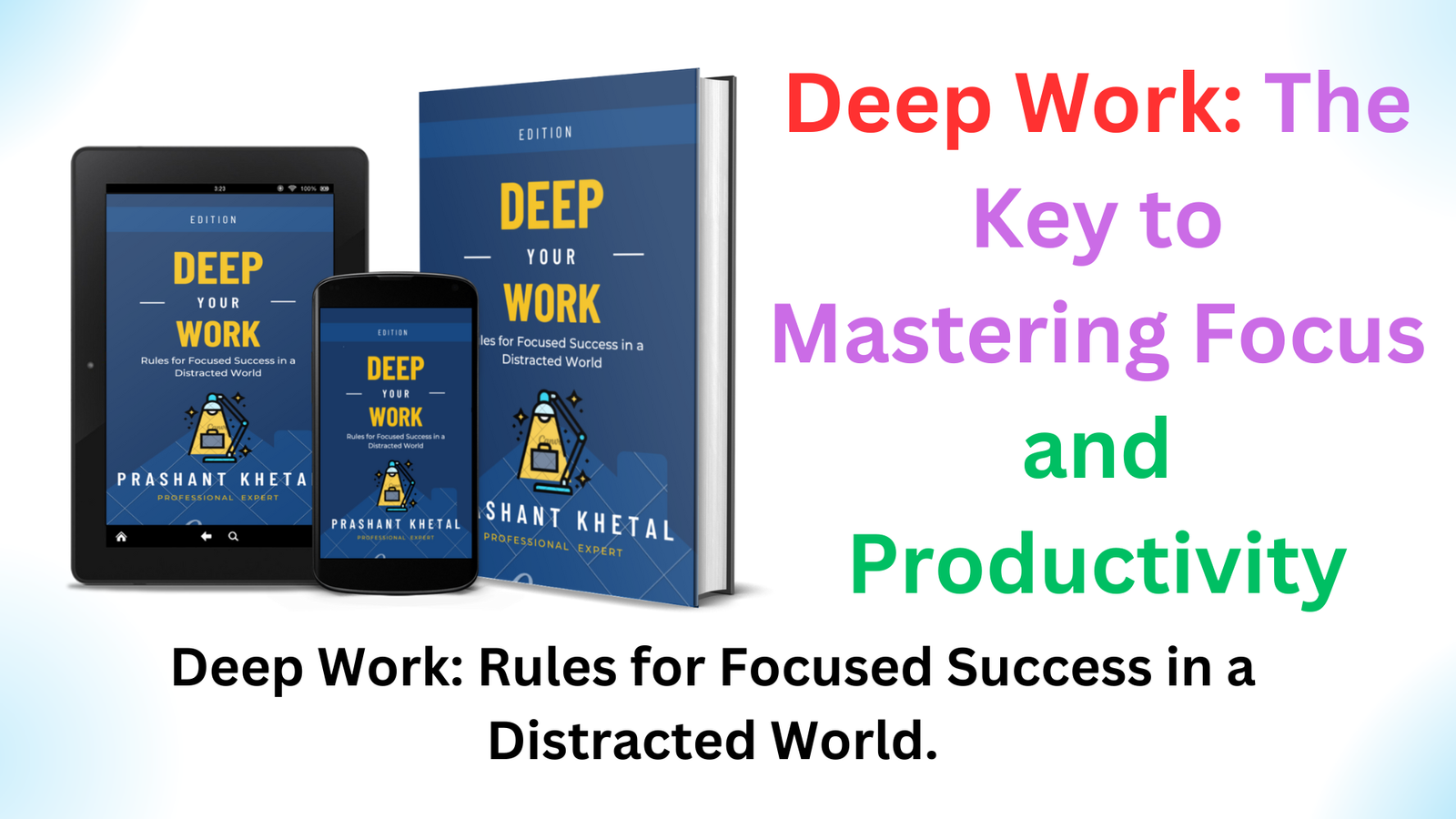
Introduction In today’s fast-paced digital world, distractions are everywhere. Social media notifications, endless emails, and multitasking have become…


Introduction In today’s fast-paced digital world, distractions are everywhere. Social media notifications, endless emails, and multitasking have become…
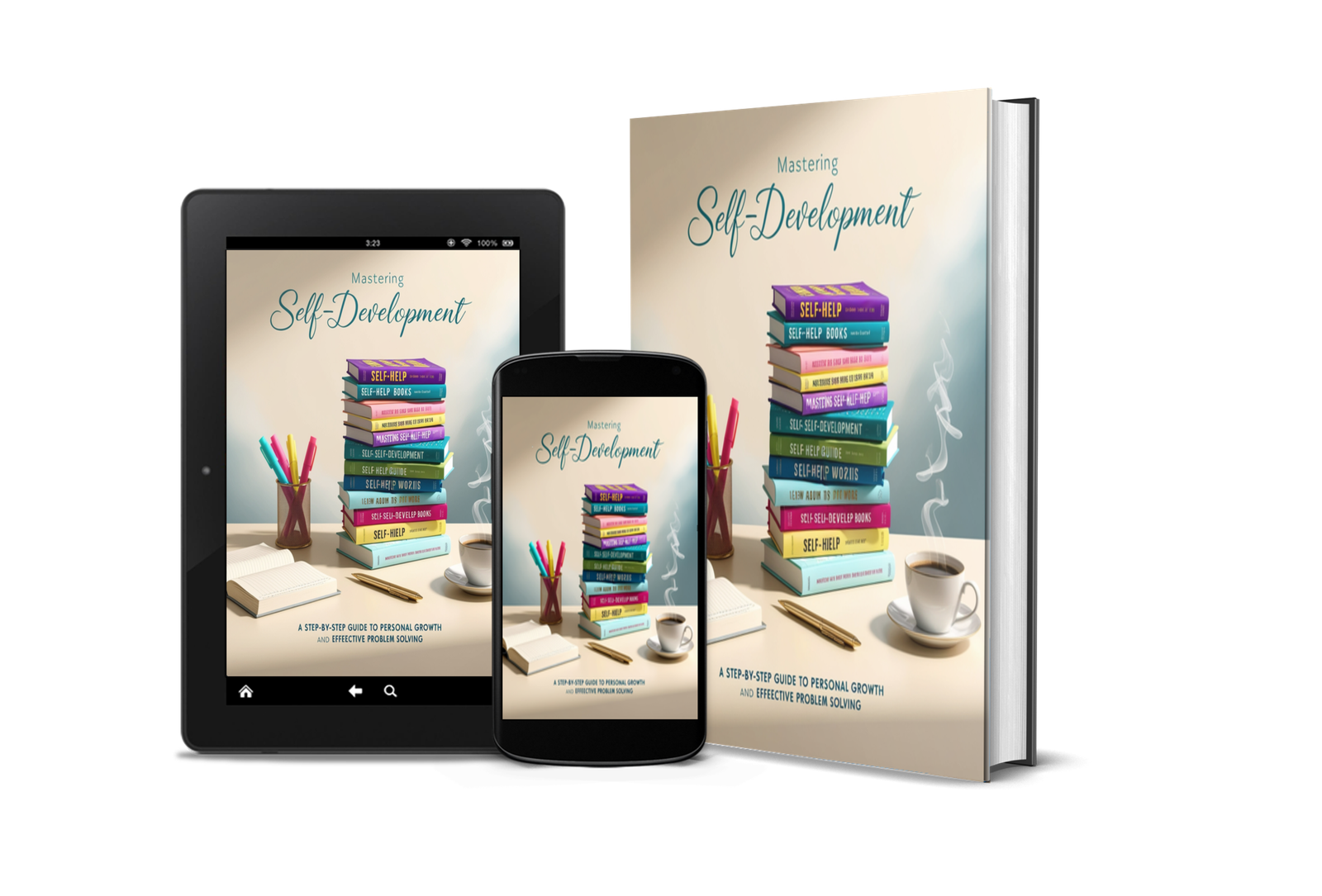
Self-development is more than a buzzword—it’s a lifelong journey of growth, learning, and intentional evolution. In a fast-paced…
Introduction Email marketing remains one of the most powerful tools for businesses to engage with customers, generate leads,…
In today’s rapidly evolving world, the pursuit of personal growth and effective problem-solving skills has become more crucial than ever. Self-development empowers individuals to navigate challenges, achieve their goals, and lead fulfilling lives. This guide delves into the essence of self-development, offers practical steps to embark on this transformative journey, and highlights essential skills to cultivate along the way.
Self-development refers to the process by which individuals enhance their own abilities, knowledge, and potential through deliberate efforts. It involves activities that improve self-awareness, develop talents, and facilitate employability, contributing to the realization of personal aspirations and a higher quality of life. This proactive approach encompasses both personal and professional growth, enabling individuals to adapt to changing circumstances and achieve their full potential.
Embarking on self-development requires intentionality and a structured approach. Here are steps to guide you:
Self-Assessment: Begin by evaluating your current strengths, weaknesses, values, and interests. Reflect on areas where you excel and identify aspects that require improvement.
Set Clear Goals: Define specific, measurable, achievable, relevant, and time-bound (SMART) objectives. Clear goals provide direction and motivation for your development efforts.
Create a Personal Development Plan: Outline actionable steps to achieve your goals. This plan should include resources needed, timelines, and potential challenges, serving as a roadmap for your journey.
Seek Learning Opportunities: Engage in activities that promote growth, such as reading, attending workshops, enrolling in courses, or finding mentors. Continuous learning is pivotal to self-development.
Implement and Reflect: Put your plan into action and regularly reflect on your progress. Adjust your strategies as needed to stay aligned with your goals and adapt to new insights.
Cultivating certain skills can significantly enhance your self-development journey:
Emotional Intelligence: Understanding and managing your emotions, as well as empathizing with others, fosters better relationships and decision-making.
Time Management: Efficiently organizing your time ensures that you can balance various responsibilities and make progress toward your goals.
Effective Communication: Clear and assertive communication enhances personal and professional interactions, reducing misunderstandings.
Adaptability: Being open to change and flexible in your approaches allows you to navigate uncertainties and seize new opportunities.
Problem-Solving: Developing critical thinking and analytical skills enables you to identify solutions to challenges effectively.
By focusing on these areas and committing to continuous improvement, you lay a strong foundation for personal growth and effective problem-solving. Remember, self-development is an ongoing journey that requires patience, dedication, and a willingness to embrace change.
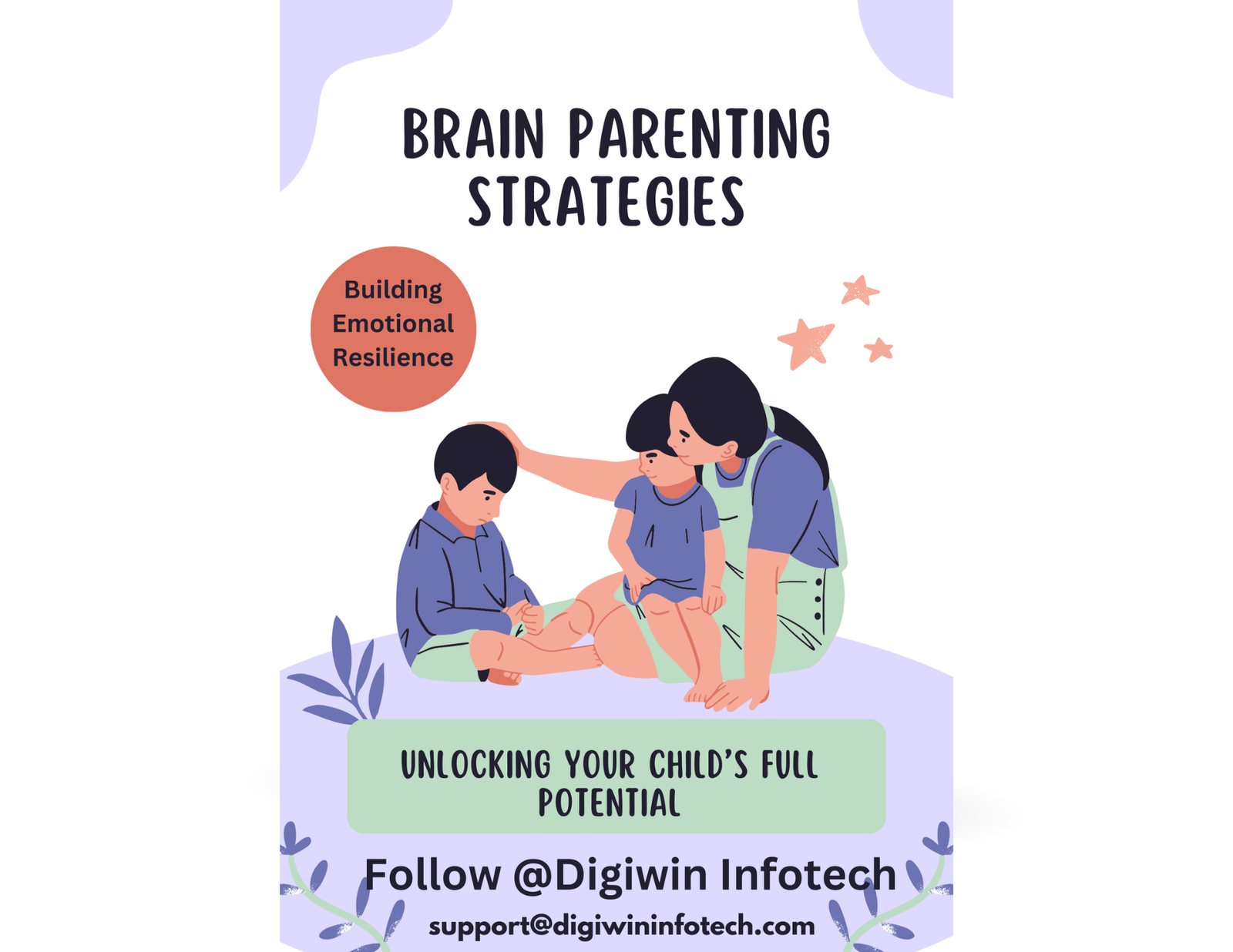
This guide will introduce you to the principles of whole-brain parenting and provide actionable steps to foster your child’s holistic development. Whether it’s enhancing their problem-solving skills, building emotional resilience, or strengthening your parent-child bond, these strategies are designed to help your child thrive in all areas of life. Let’s dive in and unlock the incredible potential within your child!
Parenting is a journey filled with joys, challenges, and endless opportunities for growth. As parents, we strive to nurture every aspect of our child’s development—from their cognitive abilities to their emotional well-being. But how can we ensure we’re helping them reach their fullest potential? Whole-brain parenting offers a transformative approach to raising well-rounded, emotionally intelligent children by integrating the latest findings in neuroscience with practical, everyday strategies.
Whole-brain parenting emphasizes integrating both the logical left hemisphere and the creative right hemisphere of the brain. This approach is based on neuroscientific findings that demonstrate how balanced brain development can lead to improved decision-making, emotional regulation, and problem-solving skills.
Key principles include:
Children thrive in environments where their brains are stimulated holistically. By adopting whole-brain parenting strategies, you can:
1. Name It to Tame It
Children often feel overwhelmed by emotions they don’t understand. Help them by naming their feelings, which activates the logical side of the brain and reduces emotional intensity.
Example: When your child is upset, say, “You seem really frustrated because you can’t solve this puzzle. Let’s figure it out together.”
2. Connect and Redirect
Start by validating your child’s emotions, then gently guide them toward problem-solving.
Example: If they’re angry after losing a game, acknowledge their feelings (“I see you’re disappointed”) before suggesting ways to improve next time.
3. Engage the Upstairs Brain
Encourage activities that involve planning, decision-making, and self-control. These skills are governed by the “upstairs brain” (prefrontal cortex).
Activities:
4. Playful Parenting
Play is essential for children’s brain development. Through imaginative games, kids learn social skills, creativity, and emotional regulation.
Tip: Join in their play to build connections and model healthy behaviors.
5. Storytelling for Emotional Growth
Sharing stories, whether real or fictional, helps children process emotions and experiences. Encourage them to create their own stories to foster creativity and self-expression.
6. Promote Mindfulness
Mindfulness practices such as deep breathing and meditation improve focus and reduce stress.
Exercise: Teach simple breathing techniques like “smell the flower, blow out the candle” to calm anxious moments.
Remember: Parenting is a partnership between you and your child. Together, you can create a harmonious, thriving relationship that lasts a lifetime.
Transform your creative projects into winter wonderlands with Watercolor Winter Clipart! From beautifully illustrated Watercolor Christmas Trees to intricately designed Watercolor Christmas Clipart PNG, this collection captures the essence of the festive season. Whether you’re crafting holiday cards, designing invitations, or enhancing your digital projects, these vibrant and versatile clipart elements are a must-have for your toolbox. Dive into the magical world of watercolor pine trees and bring the holiday spirit to life!
Watercolor Winter Clipart is an exquisite collection of hand-painted illustrations featuring Christmas trees, pine trees, and festive decorations. The delicate brushstrokes and vivid colors make these clipart items perfect for:
Available in high-quality PNG formats, these clipart pieces are easy to use and layer, ensuring seamless integration into your designs. Each tree, whether decorated or in its natural pine glory, exudes a cozy, wintery vibe that evokes holiday nostalgia.
Watercolor Christmas trees clipart. Watercolor winter clipart.
Beautiful winter illustrations for your brand, wedding invites, and cards.
Abstract yet delicate. Perfect for Christmas cards, winter designs, invites, wall art, mini posters, brands, etc. Watercolor Winter clipart. Watercolor Christmas clipart.
Watercolor Christmas Tree Clipart offers a delightful way to add charm and warmth to your holiday creations. Whether you’re designing for personal or commercial use, these hand-painted trees provide the perfect balance of beauty and festivity.
Get started today! Download your favorite Watercolor Christmas Tree Clipart and make this holiday season more magical.
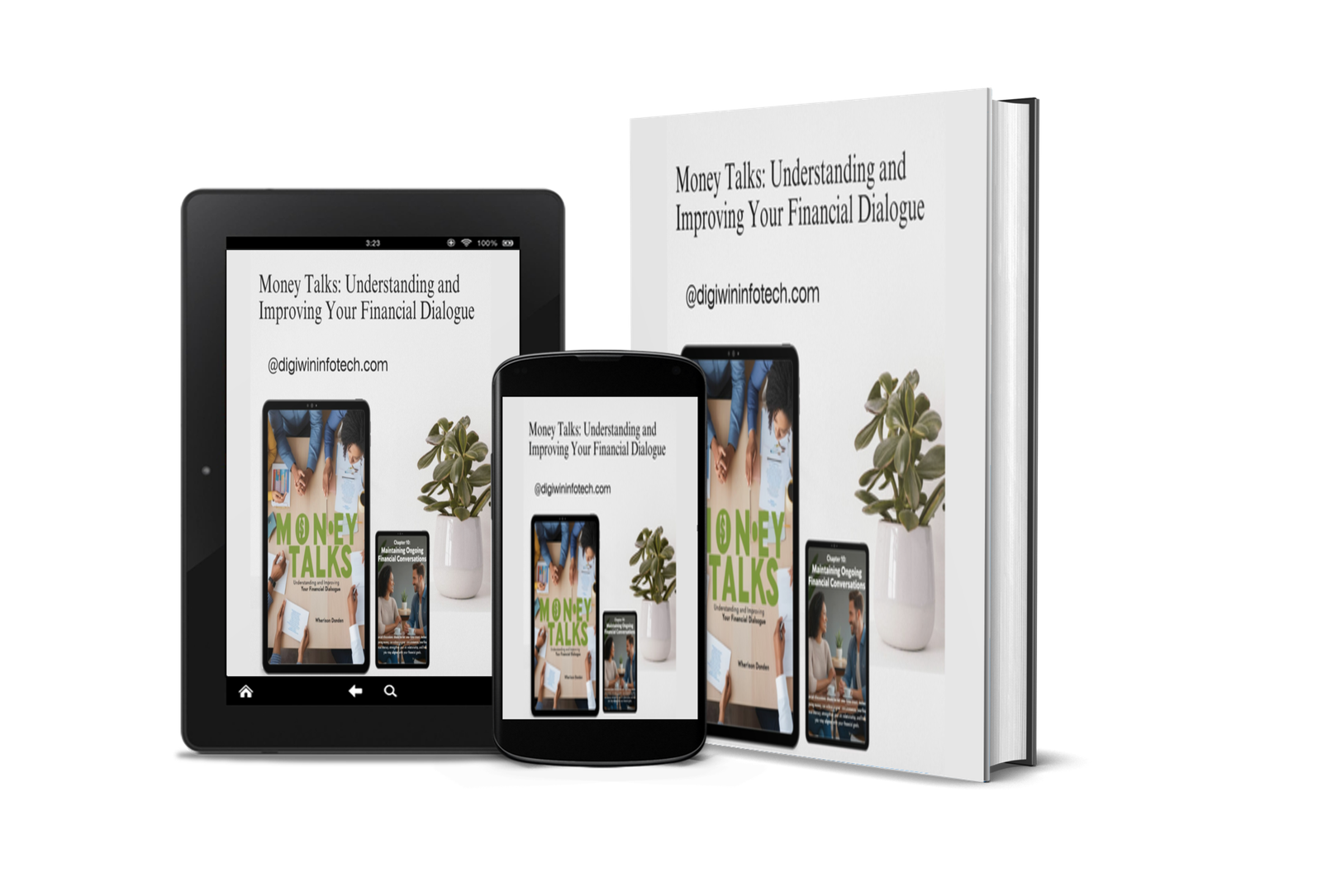
Introduction In the tapestry of our lives, few threads are as pervasive and influential as money. It shapes…
As the holiday season approaches, adding a festive touch to your home or business can create warmth, joy, and a magical atmosphere. Christmas Winter gallery wall art offers a unique way to elevate your décor and embrace the spirit of the season. Whether you’re looking to decorate your living room, hallway, or workspace, a carefully curated gallery wall can add elegance and a personalized holiday touch.
Christmas isn’t just a time for decorations; it’s a season filled with nostalgia, memories, and emotions. Gallery wall art featuring winter landscapes, festive quotes, and holiday-themed illustrations can evoke these feelings, making your space feel cozy and inviting.
While wall art is often thought of as simply hanging on the wall, there are many creative ways to use it in your holiday decorating strategy. Here’s how you can take it a step further:
YOU WILL GET ONLY DIGITAL FILE TYPE : 1 ZIP FILE
You can use all the file in my online store both for personal and commercial use.
You can use these files as they are or modify them to create physical products for personal use or for sale. This includes apparel, mugs, tote bags, signs, etc.
PNG format file – raster high resolution picture with a transparent background. PNG digital download file is of is the most widespread format.
Financial dialogue refers to the conversations and mindset you have around money—how you think about, manage, and discuss finances. It includes your internal thoughts on budgeting, spending, saving, and investing, as well as external communication with family members, financial advisors, or business partners.
Now that we’ve discussed the importance of financial dialogue, let’s explore practical steps to enhance it for better personal money growth.
1. Educate Yourself on Financial Literacy
The foundation of any strong financial dialogue is knowledge. Educating yourself on financial literacy topics such as budgeting, investing, saving, and debt management helps you understand the implications of your financial decisions. Start by:
2. Develop a Positive Money Mindset
Your mindset about money shapes your financial decisions. Adopting a positive money mindset means seeing money as a tool for growth and opportunities, not as something that controls or limits you. Practice gratitude for the money you have while planning for future growth.
3. Communicate About Money Openly
Whether you’re in a relationship or running a business, open communication about money is vital. It allows you to set clear expectations, reduce financial stress, and align goals. Regular money check-ins with partners or financial advisors ensure that everyone is on the same page.
4. Set Clear Financial Goals
Specific and actionable goals are essential to money growth. Break down your big financial dreams into smaller, manageable objectives with clear deadlines. For instance:
5. Track Your Progress
Monitoring your financial progress ensures that you stay on track. Use budgeting apps or simple spreadsheets to track your income, expenses, savings, and investments. Adjust your strategies as needed to meet your goals.